
 Contact Us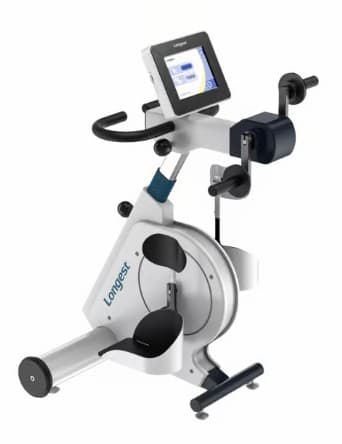
Rehamoto LGT-5100D
Recumbent rehab bike for upper and lower limbs with intelligent training modes.
- Active, passive, and assisted training; spasm handling
- Can be used from a wheelchair
- 8" touchscreen
- Paediatric model: LGT-5100DC
We are dedicated to providing innovative solutions that make a real difference in the lives of individuals facing mobility challenges.
Phone: 021 433 038
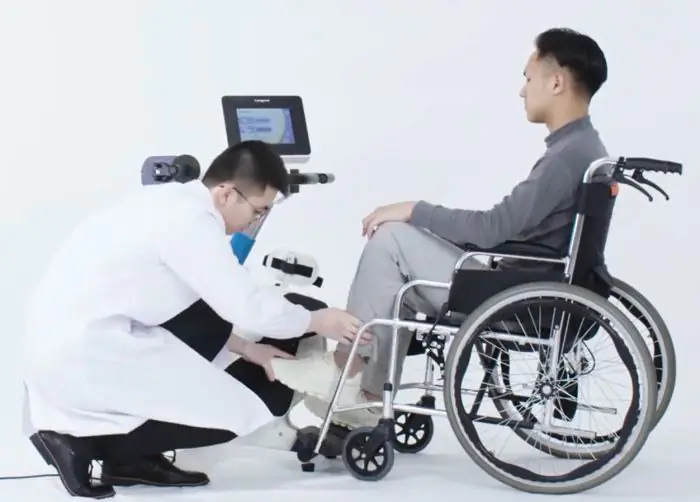
Rehamoto active–passive trainers and Supapedal motorised exercisers. Full specifications and manuals are on each product page.
Recumbent rehab bike for upper and lower limbs with intelligent training modes.
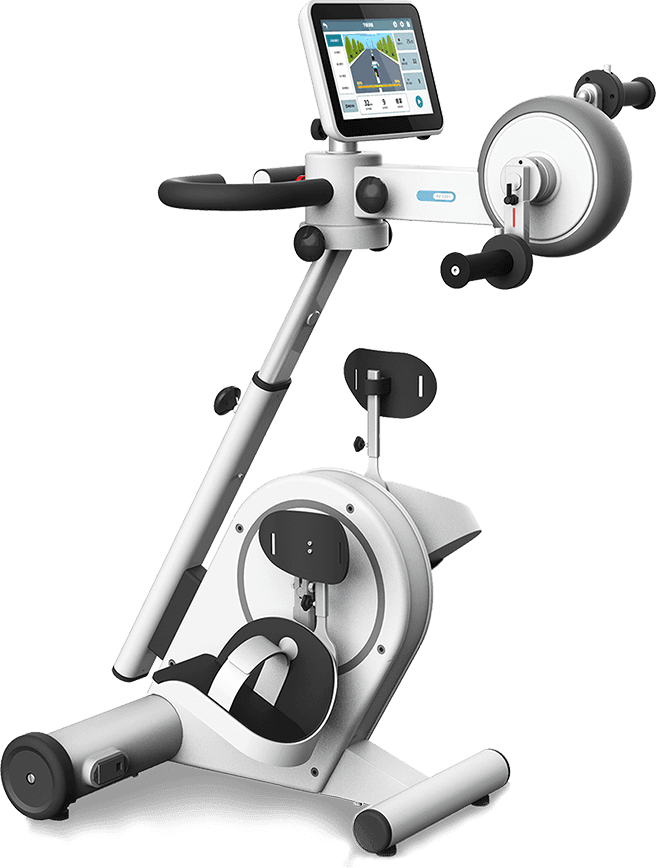
Motor-assisted and active training for arms and legs—multiple modes, adjustable speed and resistance, programmable sessions.
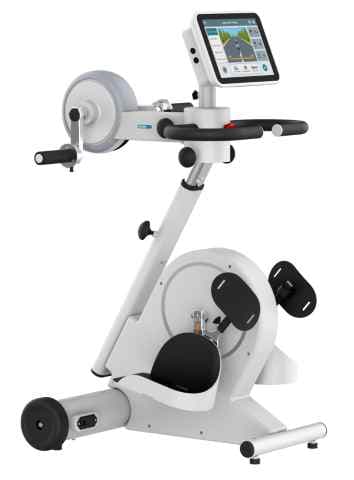
Motor-assisted and active training for arms and legs with functional electrical stimulation (FES)—multiple modes, programmable sessions.
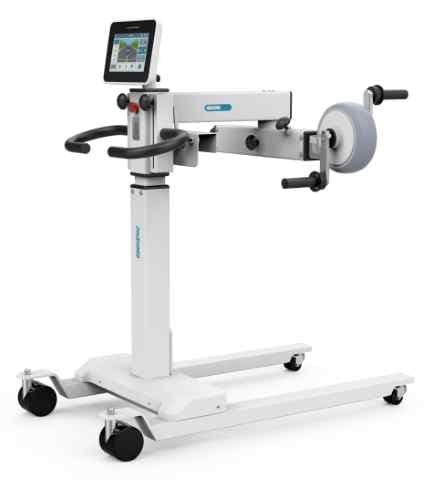
Bedside Supapedal Ultra configuration for upper limbs only—same training modes as Ultra in a bed- or cot-side setup.
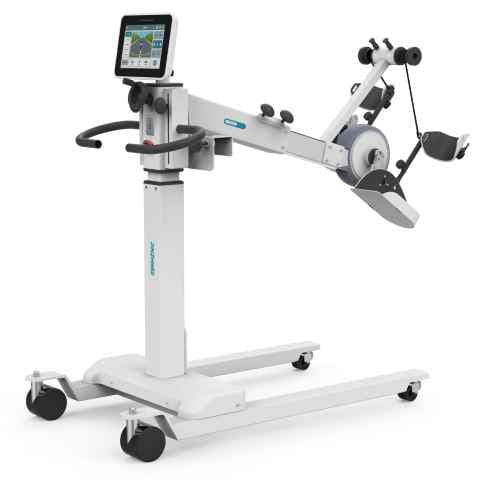
Bedside Supapedal Ultra configuration for lower limbs only—same training modes as Ultra in a bed-side pedalling setup.
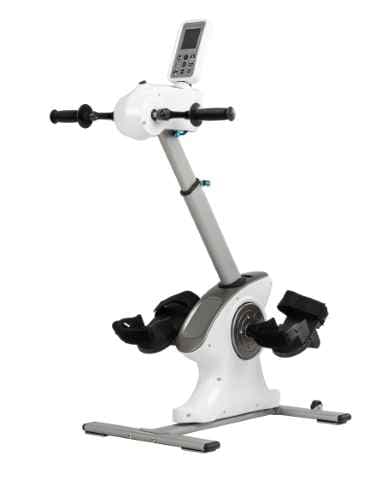
Professional height-adjustable trainer for full-limb rehab — hand-only, foot-only, or synchronized work.
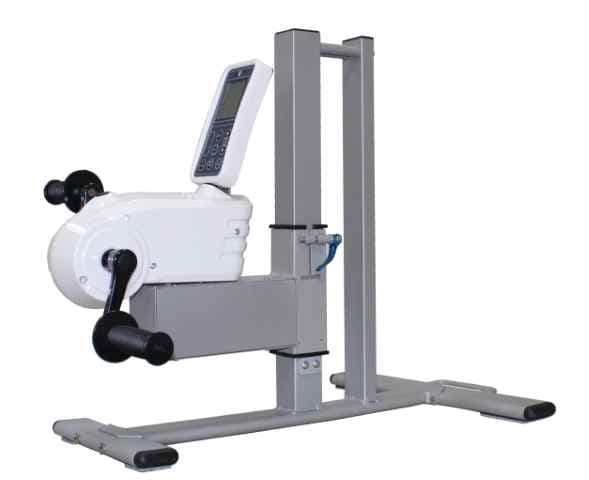
Height-adjustable motorised exerciser for upper and lower limbs—switch between arm and leg training with a quick crank conversion.
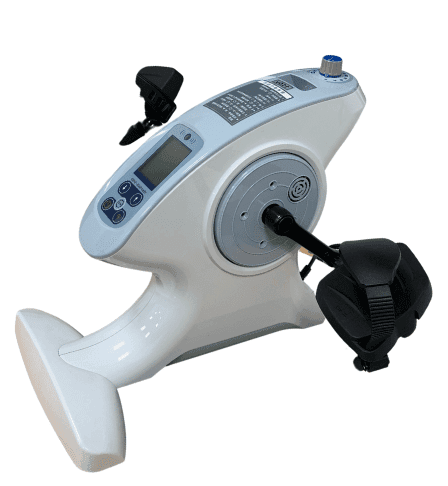
The latest in foot and leg rehabilitation technology — motorised mini bike for active or passive arm and leg exercise.
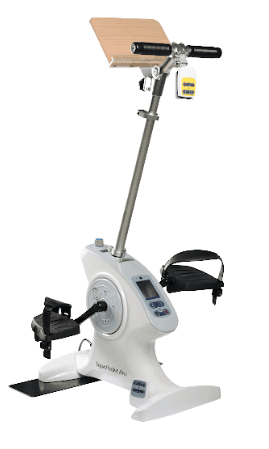
Ideal home exerciser to help you regain movement and maintain muscle and fitness memory—with programmes, handle, and device stand.
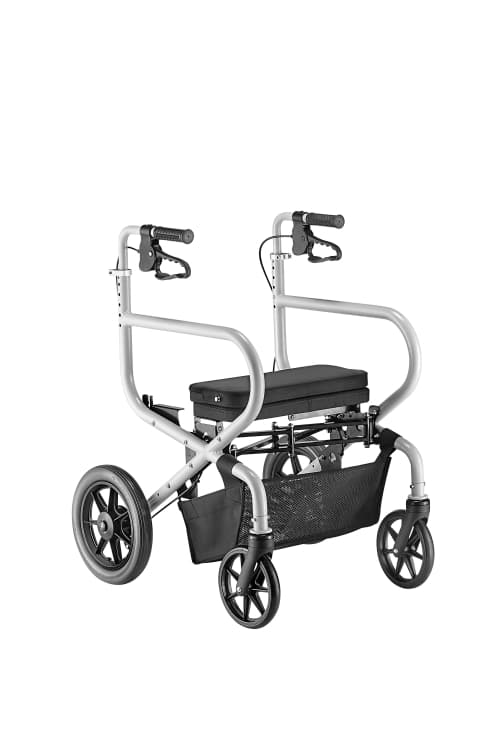
Safe, stable 4-wheel rollator that converts to a transport wheelchair in seconds—lightweight, folds for vehicles, with removable rear wheels for easier lifting.
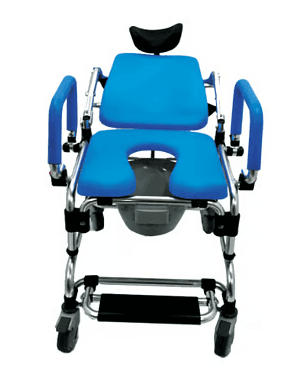
Built for comfort with a focus on shower safety — high reclining back, tilt-in-space, foldable for car boot travel.
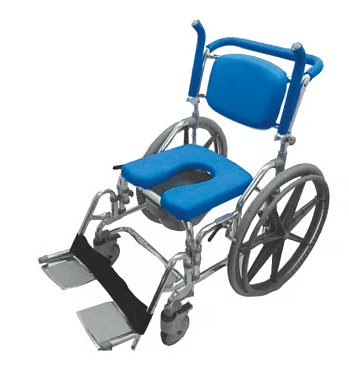
Equipped with a super soft comfy seat — folds easily, lightweight, adjustable width, 24″ wheels for independence.
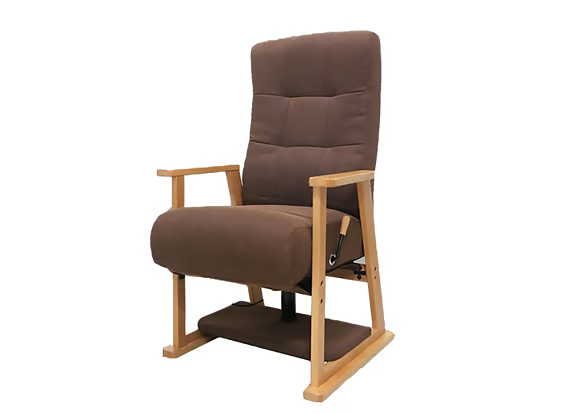
Modern lift-up recliner — patented safety design limits recline; foldable for easier transfers and transport.
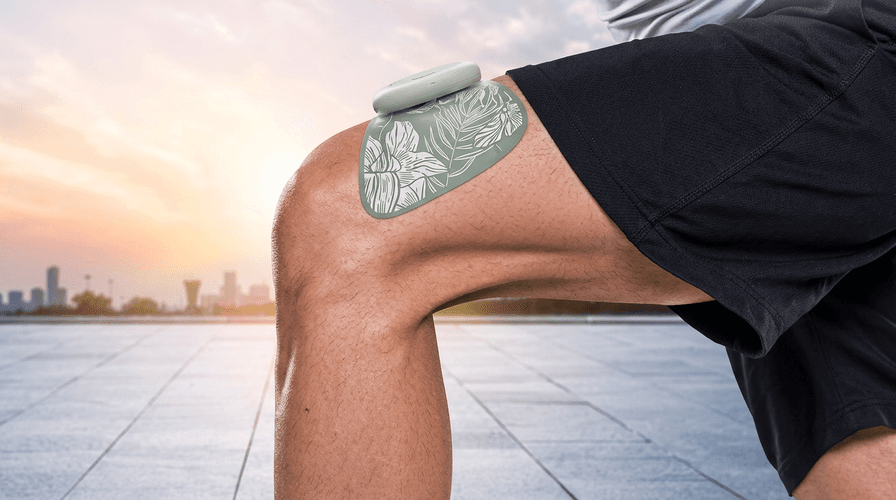
Wearable TENS and EMS pads with Bluetooth app control—six modes, twenty intensity levels, and USB-C charging.
Active exercise means the patient contributes muscular effort; the device may measure, assist, or resist that effort depending on programme and tolerance.
Passive exercise means the limb is moved by the equipment—useful when strength or control is limited, or when managing spasticity and range within safe parameters.
Training can support: